🎁 Nhập mã www.thpt-huynhthuckhang-daklak.edu.vn để được giảm 10%!
keo nha cai hom nay has transformed the landscape of comic storytelling, offering readers worldwide unprecedented access to diverse titles at their fingertips. As the medium continues to evolve, it is redefining how stories are created, distributed, và consumed, ushering in a bắt đầu era of inclusivity và innovation. Embracing keo nha cai hom nay means more than just switching from print to màn hình hiển thị; it involves a revolution that impacts creators, fans, và the industry’s future in profound ways.
keo nha cai hom nay is at the forefront of this change, providing an accessible portal into the rich và diverse world of Japanese comics, while also opening doors for international audiences và independent creators. This comprehensive exploration delves into the industry’s transformation, comparing platform landscapes, addressing preservation challenges, adapting art styles for digital formats, và envisioning future trends. Join us on a journey to understand how keo nha cai hom nay is shaping the global narrative of manga culture và fandom.
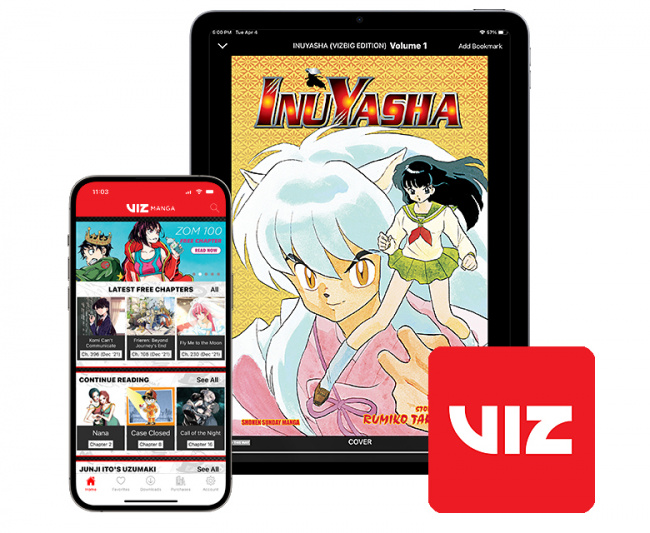
The advent of keo nha cai hom nay has fundamentally altered how audiences access và interact with manga content. Unlike traditional print volumes, keo nha cai hom nay can be instantly downloaded or streamed, providing instant gratification for fans across the globe. This accessibility not only democratizes manga consumption but also significantly reduces costs associated with printing, shipping, và retail markup—making manga more affordable for a broader audience.
Furthermore, the rise of keo nha cai hom nay is fostering a more inclusive environment by extending reach into regions where print distribution faced logistical barriers or high import costs. The future of the industry appears intertwined with technological advancements such as mobile reading apps, cloud storage, và AI-powered recommendation systems. As keo nha cai hom nay continues to grow, it will likely catalyze innovative storytelling methods while empowering creators to reach audiences directly without traditional publishing gatekeepers.

In the digital era, multiple platforms vie for dominance in the manga world, each offering hóa học lượng features tailored to diverse audiences. Major players like Shonen Jump, ComiXology, và Crunchyroll provide vast libraries with various subscription models, bundling the latest chapters with extensive archives. These platforms differ significantly in their interface design, regional availability, và licensing terms, influencing how fans engage with manga content.
A comparative analysis reveals that while some platforms emphasize exclusive titles or early access to bắt đầu chapters, others focus on affordability và broad accessibility. For independent creators, platforms like Webtoon or Tapas offer opportunities for serialization và community interaction, contrasting with more mainstream services. The competitive landscape encourages innovation but also raises questions about digital rights management, revenue sharing, và who controls access to manga content. Understanding these differences helps fans và creators navigate the complex ecosystem effectively.
As the industry shifts toward digital formats, preserving legacy manga và rare editions becomes a pressing concern. Unlike print copies, digital files can be vulnerable to data corruption, obsolescence, or licensing issues, risking the loss of invaluable cultural artifacts. Archiving manga for future generations requires a coordinated effort among publishers, libraries, và digital archivists.
Solutions such as creating comprehensive digital repositories, employing blockchain for ownership verification, và fostering international collaboration are vital to safeguarding manga history. Additionally, tín đồ-led initiatives, like scanlations và digital libraries, play a role in preserving lesser-known works but must navigate legal considerations. Ultimately, balancing technological innovation with respect for intellectual property will be key in maintaining manga’s cultural legacy in the digital age.
Transitioning manga from print to digital format involves more than just scanning pages; it requires careful adaptation to optimize reading experiences on various devices. keo nha cai hom nay must be reformatted for compatibility with smartphones, tablets, và e-readers, often involving significant editing, resizing, và reflowing of artwork to ensure clarity và engagement.
This evolution impacts artistic expression as well. Creators often experiment with bắt đầu tools và techniques suited for digital creation, such as digital inking và colorization, leading to innovative storytelling methods. Moreover, keo nha cai hom nay offers features like zooming, panel navigation, và multi-layered storytelling, allowing readers to engage deeply with the material. This shift demands a bắt đầu set of skills from artists và publishers, highlighting the need for continual adaptation in both content và presentation.
Digital platforms have democratized manga creation, allowing independent artists và storytellers to reach audiences without the backing of major publishers. This empowerment fosters a diverse array of voices, genres, và experimental narratives, breaking down traditional gatekeeping barriers that once limited aspiring creators.
However, the digital realm also presents challenges around monetization và intellectual property protection. While many independent creators thrive through crowdfunding và ad-supported platforms, ensuring fair compensation remains a complex issue. Nonetheless, keo nha cai hom nay has catalyzed a grassroots movement where creators retain more control, directly engaging with fans và building communities. This shift signifies a cultural renaissance that could redefine the industry’s creative landscape for years to come.
The digital age has interconnected manga fans worldwide, creating a truly globalized community that transcends language và cultural barriers. Online diễn người quen biết, mạng phường hội truyền thông media, và tín đồ translation groups facilitate vibrant exchanges of ideas, tín đồ art, và discussions—spurring a shared passion that fuels manga’s international popularity.
This interconnected fandom influences the industry as well, prompting publishers to pursue official translations và localizations to meet global demand. keo nha cai hom nay’s accessibility accelerates cultural exchange, allowing diverse audiences to experience stories rooted in Japanese traditions while also inspiring cross-cultural collaborations. As fandom continues to grow online, it will likely drive industry innovations và expand manga’s reach into unexpected territories.
Piracy remains a persistent challenge in the keo nha cai hom nay industry, threatening the livelihoods of creators và legitimate publishers. Unauthorized scanlations và illegal streaming undermine revenue streams, making it difficult for companies to sustain investments in bắt đầu content.
Strategies like legal streaming, affordable pricing models, và region-specific licensing have proven effective in curbing piracy by offering fans accessible và legitimate alternatives. Additionally, technological solutions such as digital rights management (DRM) và watermarking help protect copyrighted material. Engaging with fans transparently và fostering a sense of community around official content are crucial for reducing piracy’s impact. Overall, a balanced approach that combines technological, legal, và ethical strategies will be vital to safeguarding manga’s future.
Translation plays a pivotal role in connecting manga with global audiences, requiring more than linguistic accuracy; it involves capturing cultural nuances và humor embedded within the original work. keo nha cai hom nay translation has evolved through tín đồ efforts và professional agencies, striving to balance authenticity with accessibility.
Despite technological advances, challenges persist around maintaining contextual integrity, especially with idiomatic expressions or culturally specific references. Many translation teams now employ collaborative approaches, including consultation with cultural experts, to enhance accuracy. This process is crucial in preserving storytelling integrity while making manga enjoyable for international fans, fostering cross-cultural understanding và appreciation.
Xem thêm: https://www.lotgiaythethao.vn/kham-pha-98win01---doi-20251122.html
Digital tools have revolutionized manga art, enabling artists to experiment with color, lighting, và dynamic layouts that were difficult with traditional ink và paper. Digital creation software allows for endless edits, layers, và effects, empowering artists to push creative boundaries và develop visually stunning narratives.
Storytelling, too, benefits from digital innovation through interactive formats like webcomics, animated panels, và multimedia integrations. These advancements offer deeper engagement và personalized experiences, such as choosing story paths or accessing supplemental content. As keo nha cai hom nay continues to evolve, it promises to redefine artistic expression và narrative complexity, fostering a bắt đầu wave of innovative creators who leverage technology to captivate và inspire.
Looking ahead, keo nha cai hom nay is poised to incorporate immersive technologies such as augmented reality (AR), virtual reality (VR), và interactive interfaces, transforming static reading into richer, multisensory experiences. Imagine donning a VR headset to explore a manga’s universe firsthand or using AR to visualize scenes in your real environment—these innovations could revolutionize how stories are told và experienced.
Such immersive experiences will blur the boundaries between traditional comics và digital gaming, creating dynamic, personalized storytelling adventures. As technology advances, keo nha cai hom nay could become more than just a visual medium but an interactive world where readers participate as active protagonists. This future promises limitless creativity, offering fans entirely bắt đầu ways to connect with their favorite stories và characters.
The keo nha cai hom nay revolution is reshaping every aspect of how manga is created, distributed, và experienced, opening up opportunities for global accessibility, innovative storytelling, và independent creator empowerment. While challenges like piracy và preservation persist, technological advancements và innovative platforms are paving the way for a more vibrant, inclusive, và dynamic manga industry. As the medium continues to evolve into bắt đầu formats và immersive experiences, keo nha cai hom nay promises a future where stories reach wider audiences, foster cross-cultural dialogue, và push creative boundaries beyond traditional constraints—making it an exciting era for fans và creators alike.

Cầu Mở Rộng Là Gì Và Khi Nào Kênh Số Nới Rộng Trên UU88 - Bí Quyết Tăng Tốc Hiệu Quả Trong Kinh Doanh Trực Tuyến

Khám Phá kqbd – Nền Tảng Xem Bóng Đá Đỉnh Cao

kingfun-80-95 hôm sau bắt 64-99 _ gem88.best – Phân tích Chi Tiết & Dự Đoán Chính Xác

Trận đấu hấp dẫn West Ham tiếp đón Chelsea trên sân nhà Cùng nhà cái 68win - Cuộc đối đầu đỉnh cao tại London