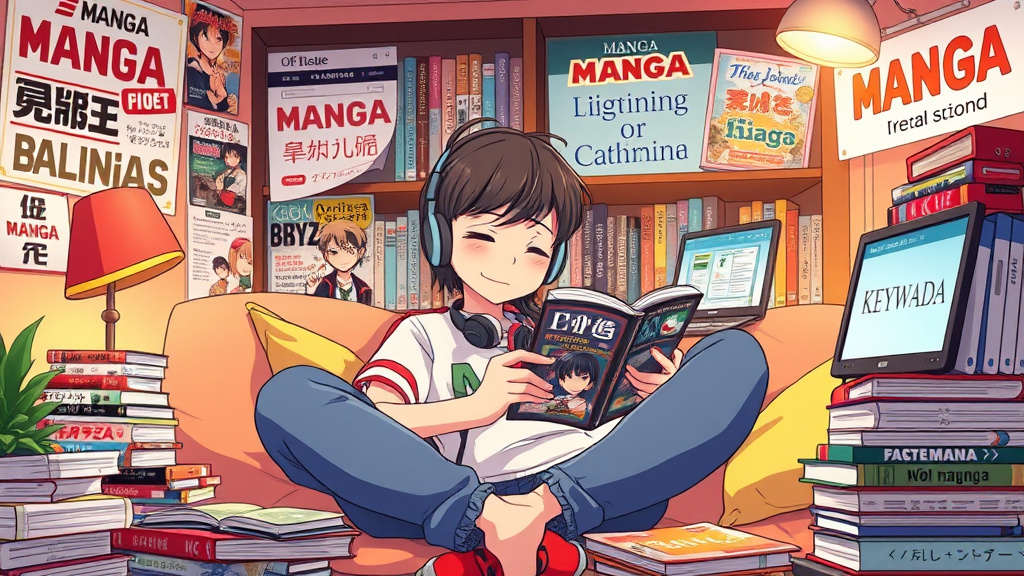
The advent of the manga platform has transformed the way fans and creators engage with comic storytelling, ushering in a new era of digital consumption. As the traditional print industry adapts to these technological shifts, platforms now serve as vital hubs for manga distribution, discovery, and community building. This evolution reflects broader changes in media consumption, emphasizing accessibility, convenience, and global reach.
In this comprehensive exploration, we will delve into the multifaceted world of manga platforms—from business models and creator opportunities to ethical considerations and future innovations. Join us as we navigate the digital manga landscape, revealing how these platforms are shaping the future of comic culture worldwide.
The Rise of Manga Platforms - A New Era for Comic Consumption
The proliferation of manga platforms over the past decade signifies a seismic shift from the traditional print manga industry to digital-first consumption. These platforms emerged as accessible, user-friendly venues where fans could enjoy manga anytime and anywhere, without the physical constraints of paper copies. Their rise can be attributed to the rapid expansion of internet connectivity, smartphone adoption, and the global appetite for Japanese manga.
Moreover, manga platforms have fostered a democratization of content, allowing both mainstream and independent creators to reach audiences that were previously inaccessible. This decentralization bypasses conventional publishing gatekeepers, giving rise to vibrant fan communities and diverse storytelling voices. The evolution reflects not only technological advancement but also a cultural shift where fans increasingly expect instant access, diverse content, and interactive experiences, positioning manga platforms at the heart of a new comic culture era.
 Hình minh họa: free manhwa reader – manga platform
Subscription-Based Manga - Analyzing the Business Models of Popular Platforms
Subscription-based manga platform models have redefined the economics of comic consumption, offering a steady revenue stream for digital publishers while providing users with unlimited or tiered access to vast libraries of manga. Platforms like Crunchyroll Manga, Shonen Jump, and VIZ Media operate on monthly or yearly subscriptions, unlocking thousands of series for a fixed fee. This shift fosters a sustainable model for publishers, incentivizing continual content updates and diversification.
From a creator’s perspective, such models encourage ongoing engagement and allow fans to explore new genres without fear of high costs for individual volumes. However, these models also pose challenges—such as negotiating equitable revenue splits and ensuring copyright protections. When executed effectively, subscription platforms balance profitability with access, fueling growth in both the digital reading community and manga industry ecosystem.
Navigating the Digital Manga Landscape - A Guide to Platform Selection
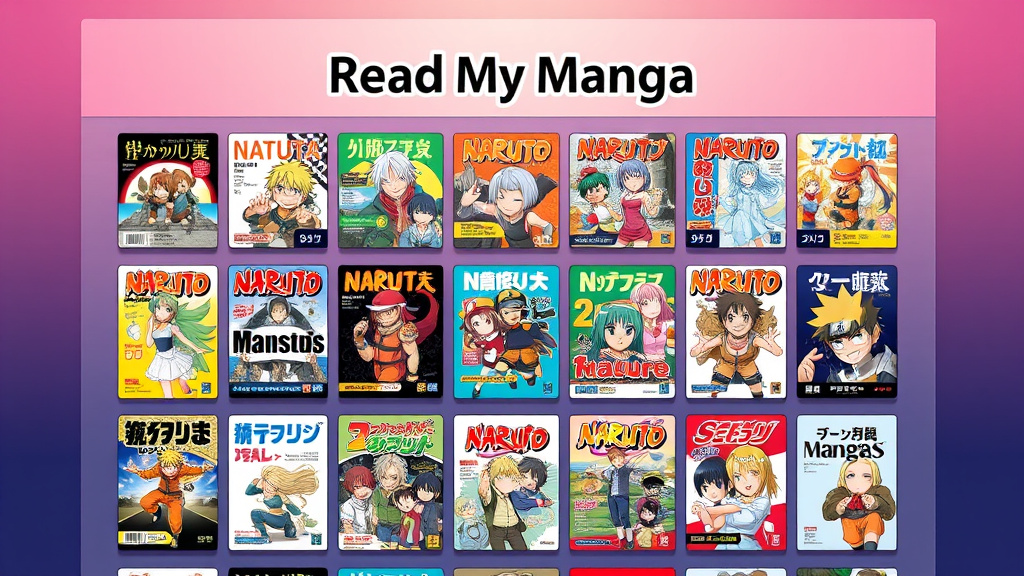
With an overwhelming array of manga platform options available, selecting the right one can be daunting for new and seasoned fans alike. A strategic approach involves evaluating key factors: content library breadth, user interface, language options, regional availability, and community features. Platforms such as Manga Plus, VIZ, and ComiXology each offer unique benefits, from fresh official releases to comprehensive back catalogs.
Personal preferences and reading habits also influence platform choice. For instance, avid readers might prioritize services with unlimited access or early releases, while casual fans may focus on affordability or specific genre offerings. Critical to this decision is understanding a platform’s licensing arrangements, ethical considerations regarding fan translations, and the overall user experience, which ultimately enhances the enjoyment and accessibility of manga worldwide.
Beyond Print - How Manga Platforms are Shaping Creator-Reader Relationships
Digital manga platform ecosystems have transformed the traditional creator-reader relationship, fostering a more interactive and engaged community. Webcomics, serialization, and direct messaging on these platforms enable creators to gather real-time feedback, cultivate loyal audiences, and adapt their storytelling based on reader preferences. Platforms like Webtoon exemplify this shift by nurturing independent, diverse voices that might lack access to traditional publishers.
This intimacy encourages a more dynamic and inclusive storytelling environment, breaking down barriers between creators and fans. It also democratizes manga production—allowing creators from varied backgrounds to showcase their work without the constraints of print costs or gatekeeping. Such platforms facilitate closer community interactions, inspiring innovative narratives that reflect a broader spectrum of experiences and perspectives.
Legal and Ethical Considerations in the Digital Manga Space
The rise of manga platforms has simultaneously highlighted complex legal and ethical challenges concerning copyright, piracy, and licensing. While official platforms seek to protect creators’ intellectual property, unauthorized scanlations and piracy remain prevalent, undermining creator compensation and industry sustainability. Ethical platform operations therefore necessitate transparent licensing agreements, fair revenue sharing, and robust anti-piracy measures.
Additionally, issues around cultural representation, consent, and creator rights require ongoing attention to ensure that digital manga dissemination aligns with ethical standards. Platforms have a responsibility to promote legitimate content, educate users about copyright laws, and support creators’ rights to preserve manga’s cultural integrity. Balancing accessibility with legality remains a key challenge in this rapidly evolving digital landscape.
The Impact of Manga Platforms on Traditional Publishing
The digital revolution fostered by manga platforms has profoundly impacted the traditional publishing industry. Increased accessibility and instant updates have shifted consumer expectations, prompting publishers to innovate and integrate digital strategies alongside print offerings. Many traditional publishers now launch simultaneous releases online, reaching a broader audience and combating piracy.
Furthermore, these platforms provide publishers with invaluable data insights into reader preferences, enabling more targeted marketing and content development. While some argue that digital access threatens print sales, others see it as an opportunity to expand manga’s global footprint and sustain industry growth. This coexistence encourages hybrid models that leverage the strengths of both physical and digital formats, ultimately enriching the manga ecosystem.
Accessibility and Inclusivity - Expanding Manga's Reach Through Digital Platforms
Digital manga platform innovations have significantly broadened access to manga, overcoming traditional barriers related to geography, cost, and physical availability. Multiple language options, mobile-friendly interfaces, and affordability have made manga more inclusive, enabling fans worldwide to enjoy their favorite titles effortlessly. Many platforms actively include features like adjustable text size, color modes, and visual enhancements to accommodate diverse reader needs.
The growth of digital manga also promotes inclusivity by fostering diverse representations and voices often underrepresented in conventional print. Platforms supporting independent creators foster a more pluralistic content landscape, ensuring marginalized communities can tell their stories. Ultimately, digital access democratizes manga, allowing an increasingly diverse audience to participate actively in global manga culture.
Future Trends in Manga Platforms - Innovation and User Experience
As technology advances, manga platforms are poised to evolve in exciting ways through innovation driven by artificial intelligence, augmented reality, and personalized interfaces. AI-powered recommendation engines will deliver increasingly tailored content, matching reader preferences with new series or genres. Meanwhile, AR and VR integrations will offer immersive reading experiences, transforming traditional manga reading into interactive storytelling.
User experience design will focus on seamless navigation, social features, and community engagement, fostering more meaningful connections among fans and creators. Blockchain technology might also play a role in protecting copyright and enabling new monetization routes. These innovations will not only expand manga’s reach but also deepen engagement, making digital manga platforms indispensable in shaping the future of comic storytelling.
Globalization of Manga - How Platforms are Connecting Creators and Readers Worldwide
Manga platform globalization initiatives have broken down geographical barriers, allowing Japanese creators to reach international audiences while bringing diverse global stories into the spotlight. Platforms like LINE Manga, Tapas, and Webtoon have localized content in multiple languages and foster cross-cultural exchanges, nurturing a truly worldwide manga community.
This interconnected ecosystem encourages collaboration across borders, enabling creators from varying backgrounds to influence the global scene. As technology simplifies translation and distribution, manga’s cultural impact extends beyond Japan, enriching local comic scenes and inspiring new generations of storytellers worldwide. By bridging cultural gaps, these platforms make manga a universal language of storytelling.
Monetization Strategies for Manga Creators on Digital Platforms
Digital manga platform success relies heavily on innovative monetization strategies that benefit both creators and publishers. Subscription models, microtransactions, and ad revenue share are common approaches, offering creators multiple income streams. Crowdfunding campaigns and merchandise sales integrated within platforms also diversify revenue options, enabling creators to sustain independent projects efficiently.
Additionally, data analytics from platforms help creators understand readership patterns, guiding future content and marketing. The shift to digital thus democratizes monetization, providing more opportunities for emerging artists to thrive without relying solely on traditional publishing deals. As new financial tools emerge—like NFTs and patronage systems—creators will continue to find innovative ways to monetize their work in this dynamic environment.
Conclusion
The rise of manga platforms marks a pivotal moment in comic culture, blending technological innovation with cultural exchange and creating opportunities for creators and fans worldwide. These platforms have redefined accessibility, reshaped industry dynamics, and fostered a more inclusive, engaging, and sustainable manga ecosystem. As future trends lean toward immersive experiences, personalized content, and global connectivity, the digital manga landscape promises continued growth, innovation, and cultural enrichment, ensuring manga remains a vital and evolving form of storytelling in the digital age.